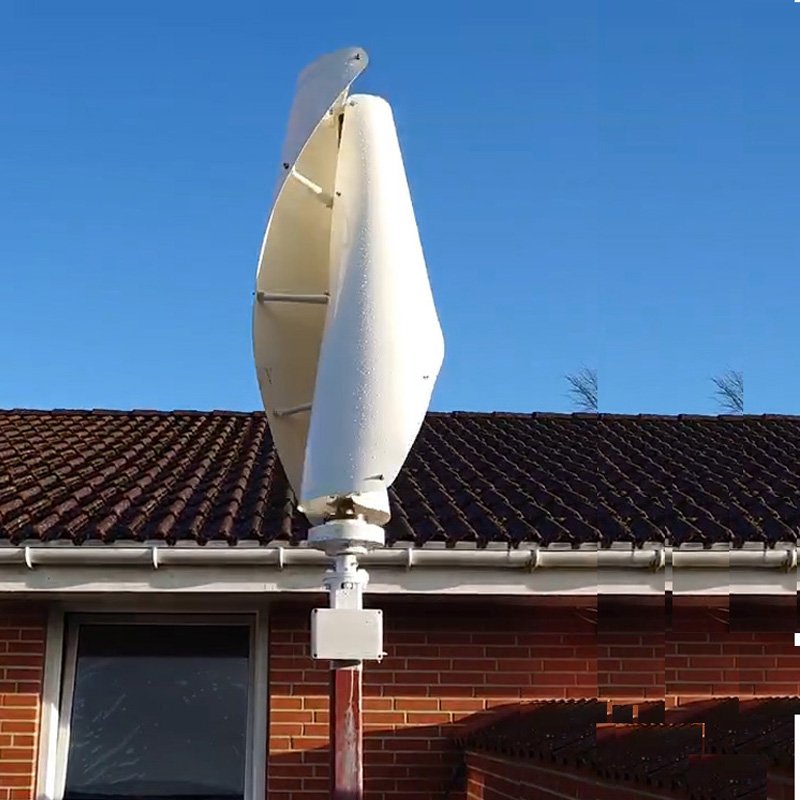
The rising cost of electricity has become a major concern for homeowners across the globe. As utility rates continue to increase, many households are exploring renewable energy solutions to stabilize expenses and gain greater control over their energy usage. Residential wind turbines offer a compelling answer to this challenge.
The Cost Challenge of Traditional Energy
Traditional electricity systems rely heavily on fossil fuels, which are subject to market volatility, geopolitical tensions, and regulatory changes. These factors contribute to unpredictable utility pricing, leaving homeowners vulnerable to sudden cost increases.
Residential wind power provides a stable, renewable alternative by enabling homeowners to produce their own electricity.
How Residential Wind Turbines Work
A home wind turbine captures kinetic energy from the wind and converts it into electrical energy through a generator. The electricity produced can be used immediately, stored in batteries, or fed back into the local grid, depending on the system configuration.
With proper placement and system sizing, residential wind turbines can generate a substantial portion of a household’s electricity needs.
Long-Term Financial Savings
Although the initial investment in a residential wind turbine includes equipment, installation, and infrastructure costs, the long-term savings are significant. Over the lifespan of a turbine—often 20 years or more—homeowners can save thousands of dollars in energy expenses.
In some regions, net metering programs allow homeowners to sell excess electricity back to the grid, creating an additional source of income or utility credits.
Incentives and Government Support
Many governments actively promote renewable energy adoption through tax credits, grants, and rebate programs. These incentives can substantially reduce upfront costs and shorten the payback period for residential wind systems.
Homeowners who invest in wind energy often benefit from a combination of federal, state, and local programs designed to encourage clean energy use.
Enhancing Energy Security
Energy independence is another key advantage of residential wind power. By producing electricity on-site, homeowners reduce reliance on centralized utility providers and minimize exposure to outages and disruptions.
When paired with battery storage, wind turbines ensure continuous power supply during grid failures, storms, or emergencies.
Environmental and Social Impact
Beyond financial benefits, residential wind energy contributes to broader environmental and social goals. Clean energy adoption reduces emissions, conserves natural resources, and supports sustainable development.
Homeowners who choose wind energy also help drive demand for renewable technologies, encouraging innovation and industry growth.
Choosing the Right System
Selecting the right residential wind turbine depends on factors such as average wind speed, property size, zoning regulations, and energy consumption. Professional consultation ensures proper system sizing and optimal performance.
Companies like RIENDEAU COREVIA LLC provide expert guidance and high-quality solutions tailored to individual homeowner needs.
Conclusion
Residential wind turbines empower homeowners to take control of their energy future. By reducing electricity costs, increasing independence, and supporting environmental sustainability, wind energy represents a smart and forward-looking investment for modern households.