As global energy demands continue to rise and environmental concerns intensify, renewable energy solutions are becoming a central focus for homeowners worldwide. Among these solutions, residential wind energy has emerged as a powerful and increasingly accessible option for households seeking energy independence, sustainability, and long-term cost savings.
Understanding Residential Wind Power
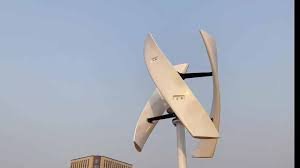
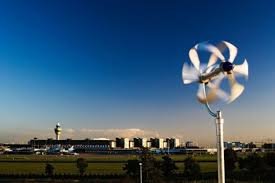
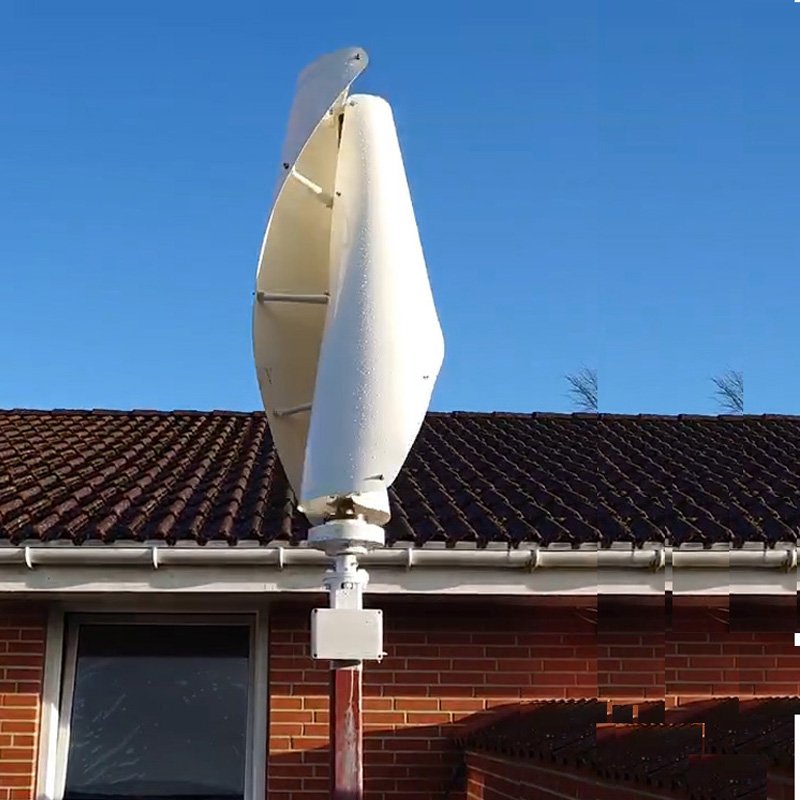
Residential wind power systems are designed to harness wind energy and convert it into usable electricity for homes. Unlike large-scale commercial wind farms, home wind turbines are compact, efficient, and tailored for individual properties. These systems typically include a wind turbine, tower, controller, inverter, and battery storage or grid connection.
Advancements in technology have significantly improved the efficiency and reliability of modern residential wind turbines. Today’s systems are capable of generating electricity even at moderate wind speeds, making them suitable for a wide range of geographic locations.
Environmental Benefits of Home Wind Energy
One of the most compelling advantages of residential wind energy is its environmental impact. Wind power produces zero greenhouse gas emissions during operation, helping reduce reliance on fossil fuels. By installing a home wind turbine, homeowners can actively lower their carbon footprint and contribute to global efforts to combat climate change.
Additionally, wind energy reduces air and water pollution associated with traditional energy generation. Over time, widespread adoption of residential wind systems can significantly improve local environmental quality.
Economic Advantages for Homeowners
From a financial perspective, residential wind energy offers long-term economic benefits. While the initial installation cost may seem substantial, the return on investment becomes evident over time through reduced electricity bills. In many cases, homeowners can generate a significant portion—or even all—of their household energy needs.
Government incentives, tax credits, and renewable energy rebates further enhance affordability. These programs help offset upfront costs and encourage clean energy adoption.
Energy Independence and Grid Resilience
Residential wind systems provide homeowners with greater control over their energy supply. By generating electricity on-site, households become less vulnerable to power outages, grid instability, and rising utility rates. When paired with battery storage systems, wind turbines can ensure uninterrupted power even during emergencies.
This level of energy independence is particularly valuable in rural or remote areas where grid access may be limited or unreliable.
Technological Innovations Shaping the Industry
Modern residential wind turbines are quieter, more durable, and more aesthetically pleasing than earlier designs. Innovations in blade materials, aerodynamic engineering, and smart controllers have improved efficiency while minimizing noise and maintenance requirements.
Smart monitoring systems now allow homeowners to track energy production, system performance, and savings in real time, enhancing user experience and system optimization.
The Role of Companies Like RIENDEAU COREVIA LLC
Companies such as RIENDEAU COREVIA LLC play a vital role in advancing residential wind energy adoption. By offering high-quality home wind turbines and expert guidance, these companies bridge the gap between advanced technology and everyday homeowners.
Through product innovation, customer education, and reliable service, RIENDEAU COREVIA LLC helps make sustainable energy a practical and achievable solution for modern households.
Looking Ahead
As energy costs rise and sustainability becomes a global priority, residential wind power is poised for significant growth. Continued technological advancements, supportive policies, and increasing public awareness will drive adoption in the coming years.
Residential wind energy is not just an alternative power source—it is a cornerstone of sustainable living and a key component of the future energy landscape.